
White Lake Township City Directory Collections
No inspected source verified a standalone, continuously published White Lake Township volume. That matters. A Pontiac listing, telephone book, or county newspaper can produce a strong lead, but it is not proof of a White Lake household until the entry itself shows the right municipality and address. The most reliable approach joins regional directory material with the White Lake Township Library resources, local archives, and land or census evidence. Treat gaps as gaps instead of filling them with a guess about coverage.
| Collection | Years located | Holder | Access path |
|---|---|---|---|
| Milford Times archive | About 1878-1978 | White Lake Historical Society | Appointment archive; names, notices, obituaries, and community references |
| Pontiac Press microfilm | 1901-1972 | Library of Michigan | Library research for regional notices and county references |
| Oakland Press microfilm | 1972-2019 | Library of Michigan | Library research for local news, obituaries, and notices |
| Pontiac catalog lead | 1925 item located; full run unverified | Google Books and regional catalogs | Inspect pages for township, address, and surname before relying on an entry |
| Michigan telephone directories | Generally about 1939-1980s outside major cities | Detroit Public Library Burton Collection | Onsite or library research for address-to-name clues |
These are collection dates, not a promise that every White Lake household appears in every item. Newspaper and telephone coverage often fill the suburban period better than a formal volume, while census, deed, cemetery, and probate material can test a name found in a regional source.
White Lake Township’s Regional Directory Gap
White Lake Township is a charter township, not an incorporated city, and its records trail crosses township, county, and regional custodians. Search catalog headings for White Lake, Milford, Highland, Oakland County, the person’s surname, and the street. A neighboring label may be how an item was cataloged. The local library provides a catalog, MeL access, and in-building Ancestry Library Edition, while Reference staff can help turn a broad catalog result into a usable request.
Regional evidence should be read in layers. A telephone directory can tie a name to an address. A newspaper notice can add a spouse, school, cemetery, or civic connection. A deed connects a party to a legal transfer, not necessarily to daily residence. The combination is much safer than treating one index hit as a complete household record.
Note: Preserve the catalog title, publication date, page, place label, and address with every result so the next search begins from a documented lead.
Pontiac Proxy Volumes for White Lake
The inspected Pontiac catalog page identifies a 1925 Polk & Co. item. It is a regional comparison source, not a verified White Lake run. Search the volume pages for White Lake Township, Milford, Highland, lake names, streets, and surnames. If a name appears, confirm the printed address and community before using it as evidence of a White Lake connection.
The Pontiac directory catalog record provides the starting point for this regional proxy.
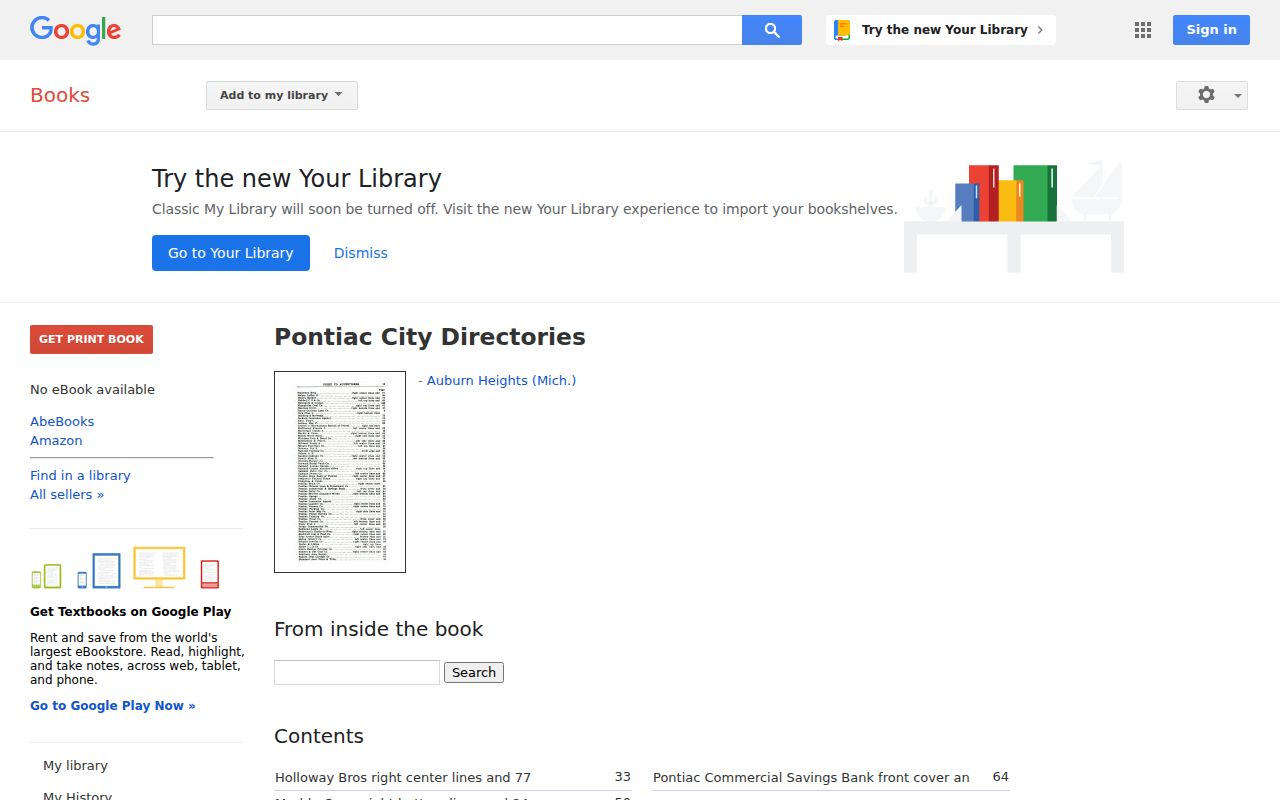
The catalog image supports a search lead only. A readable White Lake or Pontiac sample entry and an abbreviation key were not exposed in the inspected public page, so entry details must be checked in the actual scanned volume.
Telephone directories are the stronger suburban-era comparison. The Burton Historical Collection reports extensive telephone directories for Michigan towns, generally from about the late 1930s into the 1980s outside major cities. They can supply an address-to-name clue, but a phone listing still needs a parcel, newspaper, census, or other record check.
White Lake Township Library Directory Routes
The White Lake Township Library is the closest research counter for a local directory question. Its Resources page offers filters for name, subject, source, and audience, with Apply Filters and Reset Filters controls. Search the catalog and MeL for local histories, family histories, yearbooks, cemetery transcriptions, regional telephone books, and newspapers. Ancestry Library Edition is available on public computers inside the building, and the library directs researchers to Reference staff and an instruction sheet.
White Lake Township Library’s resource search shows the catalog and genealogy routes available from the local library.
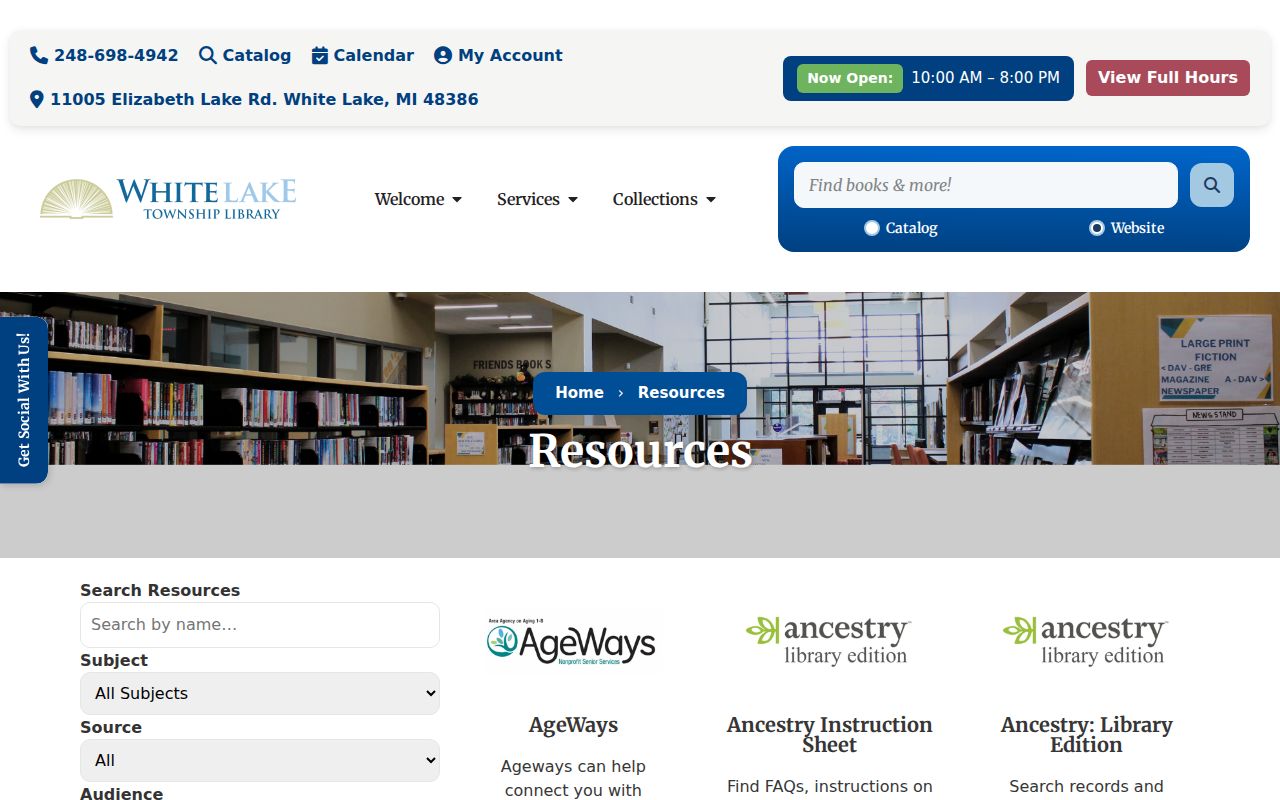
The page is useful for finding materials and asking for help, but it does not list a standalone White Lake directory run, local obituary index, or newspaper microfilm range. Give staff the surname, old address, date range, and nearby community name rather than asking for a broad people list.
White Lake Township Archives by Appointment
The White Lake Historical Society museum holds the most specific hyperlocal substitute for missing printed directories. Its archives are available by appointment and include about a century of Milford Times newspapers, roughly 1878 through 1978, along with photographs and research material from In Remembrance. A targeted newspaper search can uncover notices, obituaries, land references, school activity, anniversaries, and names tied to civic life.
The Historical Society museum and archive page identifies the appointment route and its local newspaper holdings.
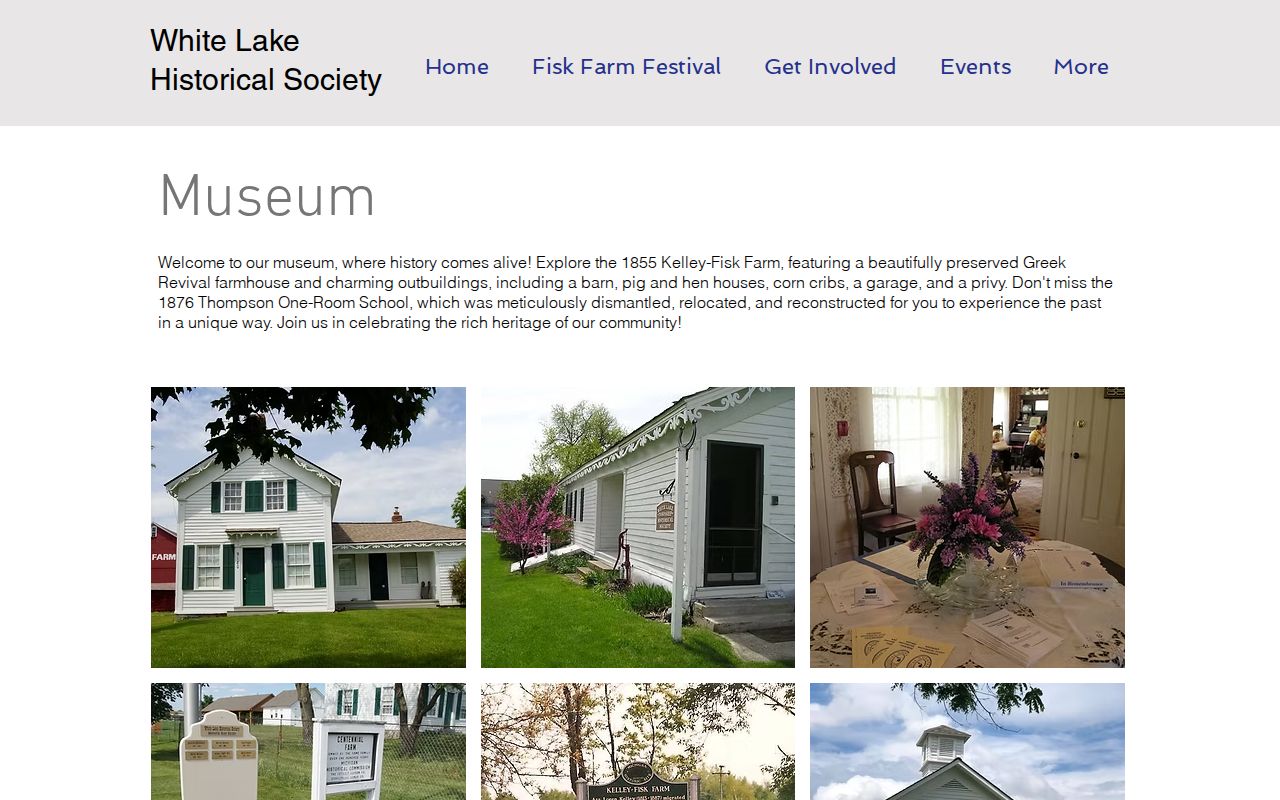
That archive has a different purpose than a printed directory. It preserves local context and dated references, which makes it valuable when a name is absent from a regional volume or when a household used a nearby postal label.
The society was formally established in 1987 after the township’s 1986 sesquicentennial activity. Its Kelley-Fisk Farm museum and reconstructed Thompson School add useful place names for a newspaper or catalog search.
Read White Lake Township Directory Clues
A real directory page should be read as a set of claims to verify, not as a finished biography. The inspected Pontiac catalog did not expose a readable sample entry, so the field list below is an inventory of details to look for in a scanned regional volume. Exact marks and abbreviations vary by publisher and year. Photograph or note the volume’s own key before interpreting a letter beside a name.
| Name | Surname and given name, including initials or spelling variants that may lead to another record. |
|---|---|
| Spouse or widow notation | A relationship clue that should be checked against an obituary, marriage record, or census line. |
| Address | A street or rural-route clue that may need a parcel or map check before it is treated as a White Lake address. |
| Affiliation | A business, school, church, or organization reference that can point to newspaper or archive material. |
| Abbreviation | A publisher-specific mark whose meaning belongs in that volume’s printed key, not in an assumed universal rule. |
- Criss-cross directory
- A reverse directory arranged by address, used to look for an occupant or business at a location. No verified White Lake criss-cross run was located.
- Householder index
- A name list focused on heads of household or primary listings; it can omit other people at the same address.
- Abbreviation key
- The publisher’s page explaining shortened labels and symbols. Read it from the same volume before drawing a conclusion.
White Lake Township’s 2063 Record Marker
White Lake’s historical record story includes an unusual preservation marker: the Historical Society says a time capsule was buried at White Lake Cemetery in 2013 and is intended to open in 2063. It is not a searchable resident source and no one should infer its contents. Still, it is a clear local example of how the township’s historical memory is preserved through institutions, cemeteries, newspapers, and archives rather than one continuous directory series.
That same layered history helps explain why a search may turn up a school, lake, cemetery, or township-hall reference before it turns up a street number. Record those local terms and search them with the surname in the Historical Society materials and library catalog.
Note: A lake, school, or cemetery name can be a more durable historical search term than a modern postal label.
Trace White Lake Township Directory Households
For family history, move from a dated name clue to an address and then to independent records. Census pages are periodic snapshots, while a directory or telephone entry can fall between census years. Federal schedules publicly released through 1950 can be paired with Oakland’s 1845 state-census material, local newspapers, and land records. A disappearance from one source may mean a move, a death, a changed listing, or simply that the source did not cover the household.
- Search a regional directory, telephone volume, or newspaper issue for the surname and every likely community label.
- Copy the exact spelling, date, page, address, affiliation, and any publisher abbreviation from the result.
- Pair the dated clue with the closest available federal census release, then compare spouse, children, age, and place details.
- Use the parcel and recorded-land trail to test whether the address belongs in White Lake Township and whether a party had a legal connection to it.
- Close a household trail with cemetery, obituary, or probate evidence when those records identify the same family group.
For a later address-based check, the White Lake Township street directory follows current parcels and recorded land evidence. Historical collections are better for the earlier household layer, especially where a regional directory or newspaper supplies the only dated name clue.
Maps and Cemeteries Beside White Lake Directories
Maps, cemeteries, and obituaries answer different questions than printed directories. The Library of Michigan guide identifies Oakland County histories, an 1857 map, a 1908 atlas, a 1930 plat book, naturalization records from 1827 to 1906, early marriage material, and probate abstracts. The confirmed 1919 Pontiac Sanborn set can describe a mapped Pontiac building, but it cannot be used to date a White Lake house unless that address is actually on the sheet.
White Lake, Oxbow Lakeside, and Granger cemetery records are township-related resources, with St. Patrick Cemetery also noted by the Historical Society. No public searchable township interment database was located. Ask the Clerk, sexton, or cemetery-maintenance contact for a specific lot or burial question, then compare the response with newspaper, death, and probate evidence.